During the fourth quarter of 2025, the Copernicus Marine In Situ TAC expanded its data capacity by integrating new near-real-time and historical marine observations across multiple regions. These integration activities, carried out by the regional partners, enhance the spatial coverage and temporal depth of in situ data delivered to Copernicus Marine users.
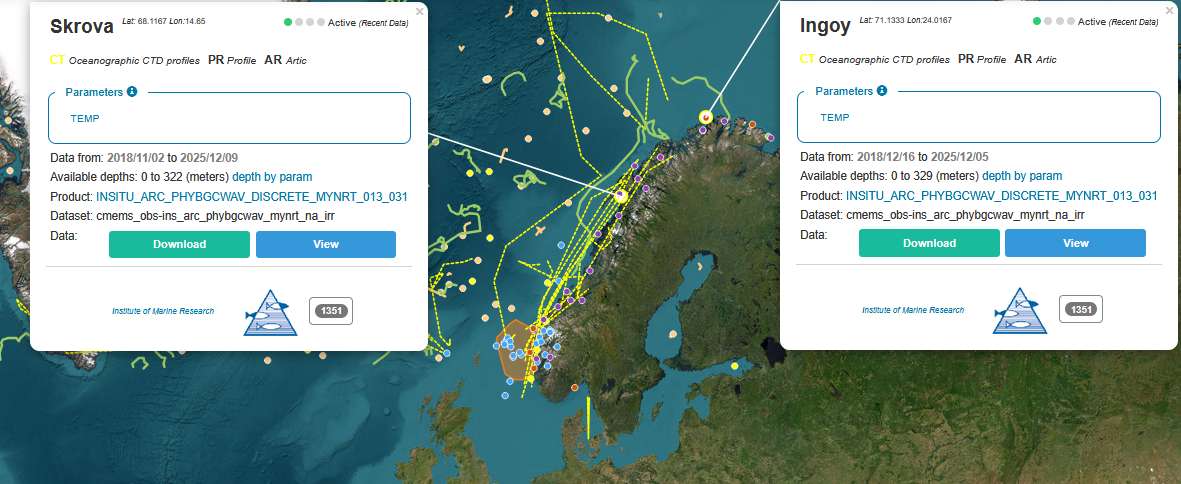
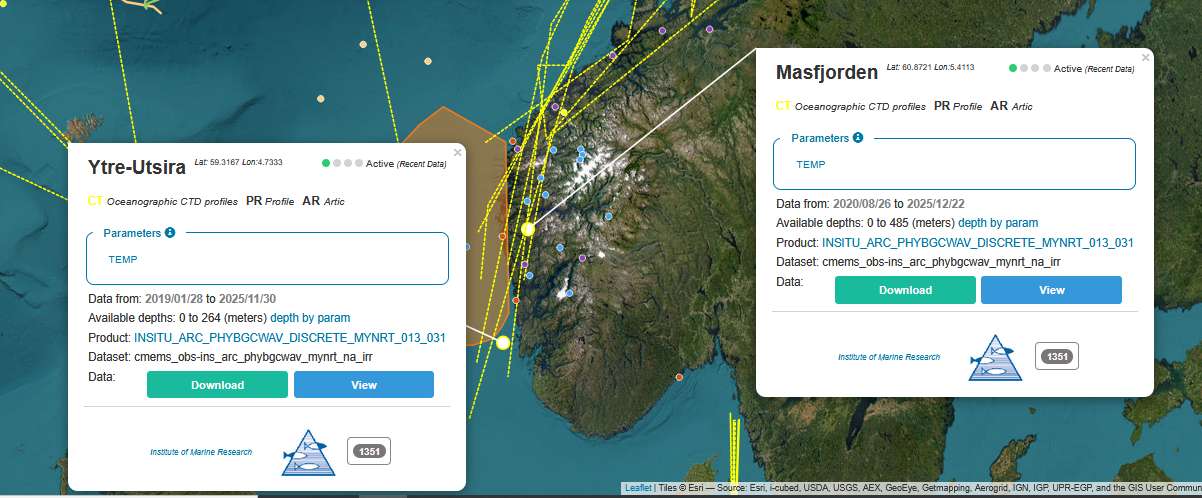
Arctic Region. In the Arctic, near-real-time temperature and salinity profiles from eight fixed coastal stations along the Norwegian coast were integrated. Historical data covering 2020–2025 are now available.
Baltic Sea. In the Baltic region, four new near-real-time current meter stations managed by the Swedish Maritime Administration were added along the Swedish west coast. These stations provide current, temperature and salinity observations, with two sites offering historical data since 2020 and two newly operational stations starting in September 2025.

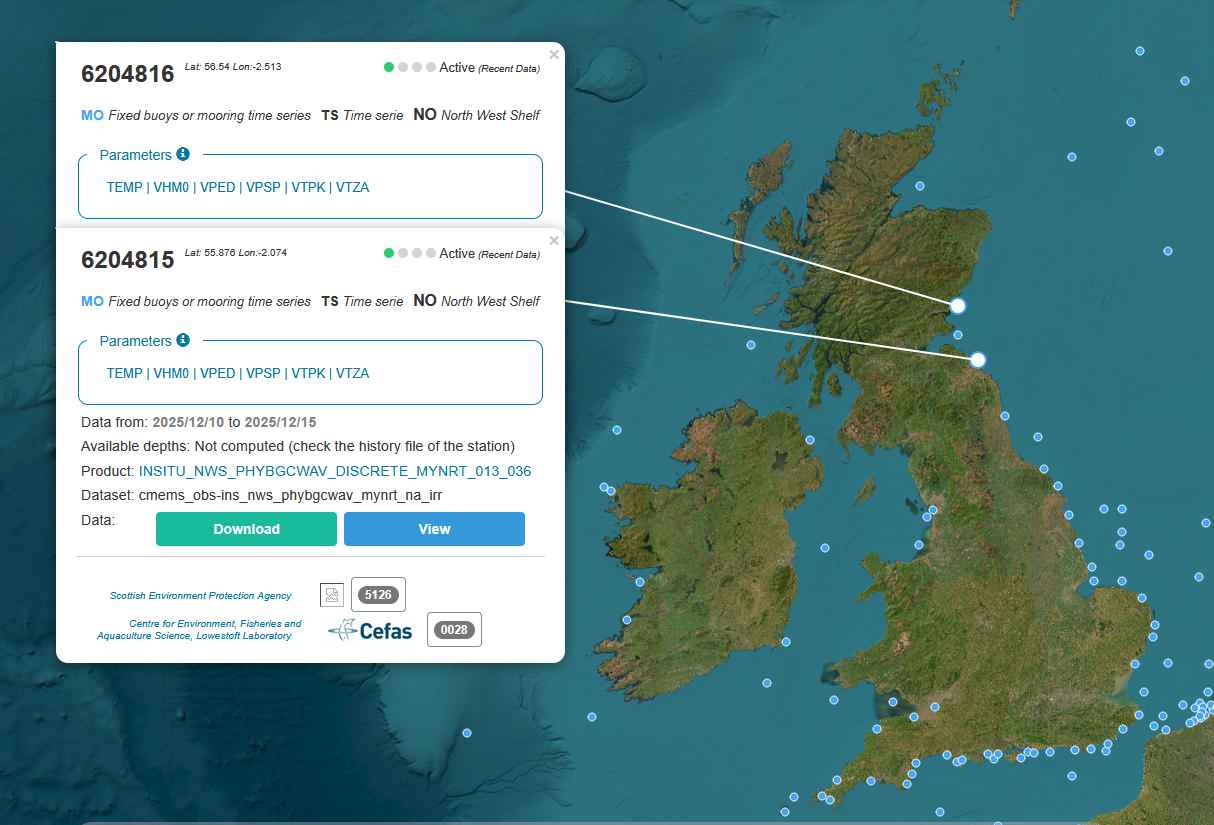
North West Shelf. In the North West Shelf, two new tide gauges operated by the Norwegian Hydrographic Service were connected to the real-time network, improving sea-level coverage along the Norwegian coast. In addition, two wave buoys deployed near the Firth of Forth by SEPA/Cefas Wavenet were integrated, enhancing wave and temperature monitoring in a previously under-sampled area.

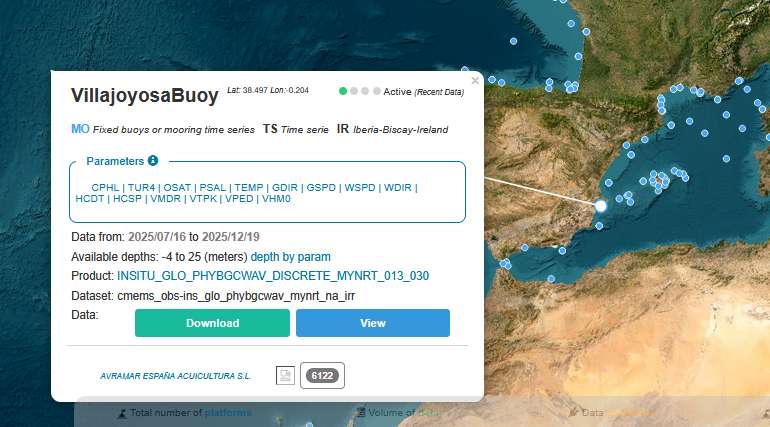
Iberian Region. In the Iberian coastal area, a new multi-parameter buoy deployed at the Villajoyosa fish farm facility (Alicante) was integrated into the near-real-time data flow. Operational since November 2025, the platform delivers oceanographic, wave, meteorological and biogeochemical observations.
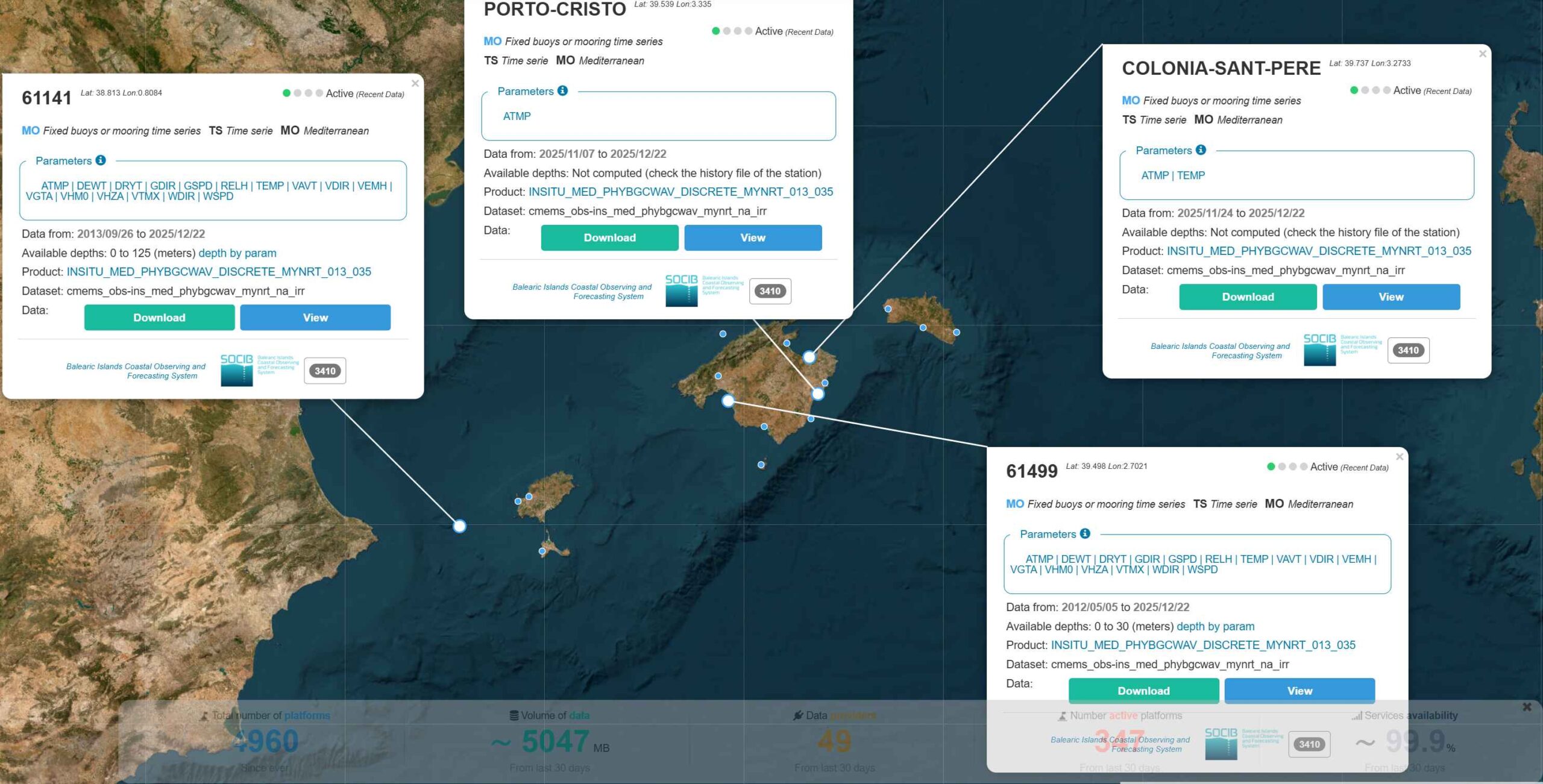
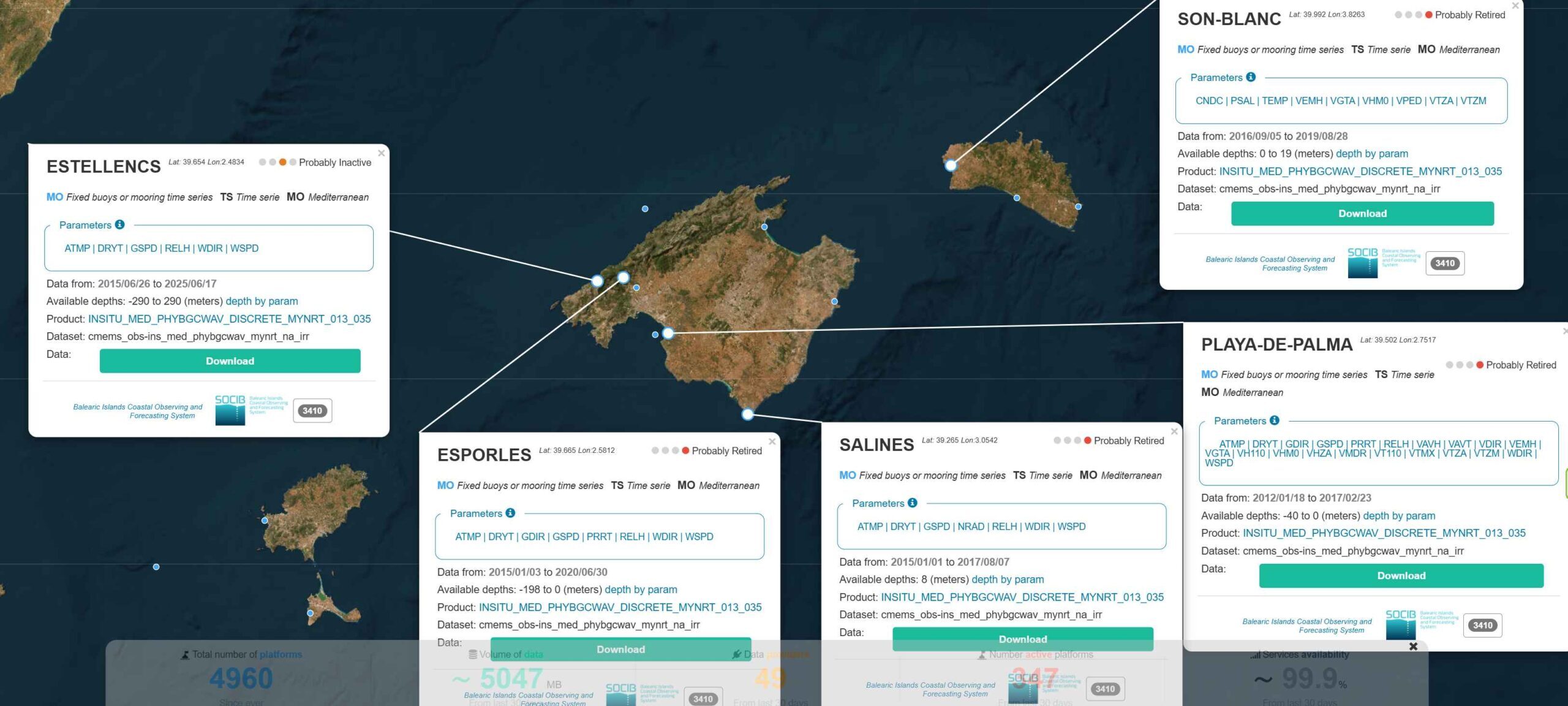
Mediterranean Sea. In the Mediterranean, SOCIB implemented a new data access API, requiring a redesign of the Med region data harvesting workflows. Following this transition, data from nine additional moorings were successfully integrated. Four active stations now provide atmospheric, wave and temperature & salinity observations, while historical datasets from five retired stations were also incorporated, extending the temporal coverage of atmospheric, oceanographic and wave parameters.
Black Sea. For the Black Sea, historical CTD data from research cruises in the western basin (Romanian and Bulgarian waters) covering 2019–2020 were incorporated, improving the availability of subsurface hydrographic observations.
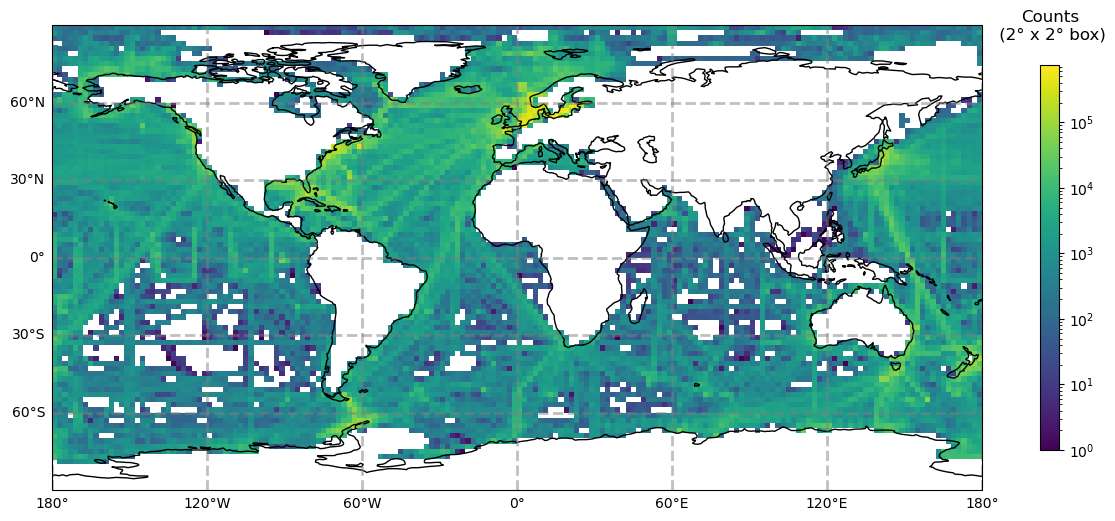
Global Ocean At the global scale, the 2025 release of the SOCAT surface ocean carbon dataset was integrated and allows adding nearly 46 million high-quality fCO₂ measurements spanning 1957–2025, reinforcing Copernicus Marine capabilities for carbon cycle and climate studies.